Choosing the Right HVAC Temperature Sensor for Your Heating and Cooling Needs
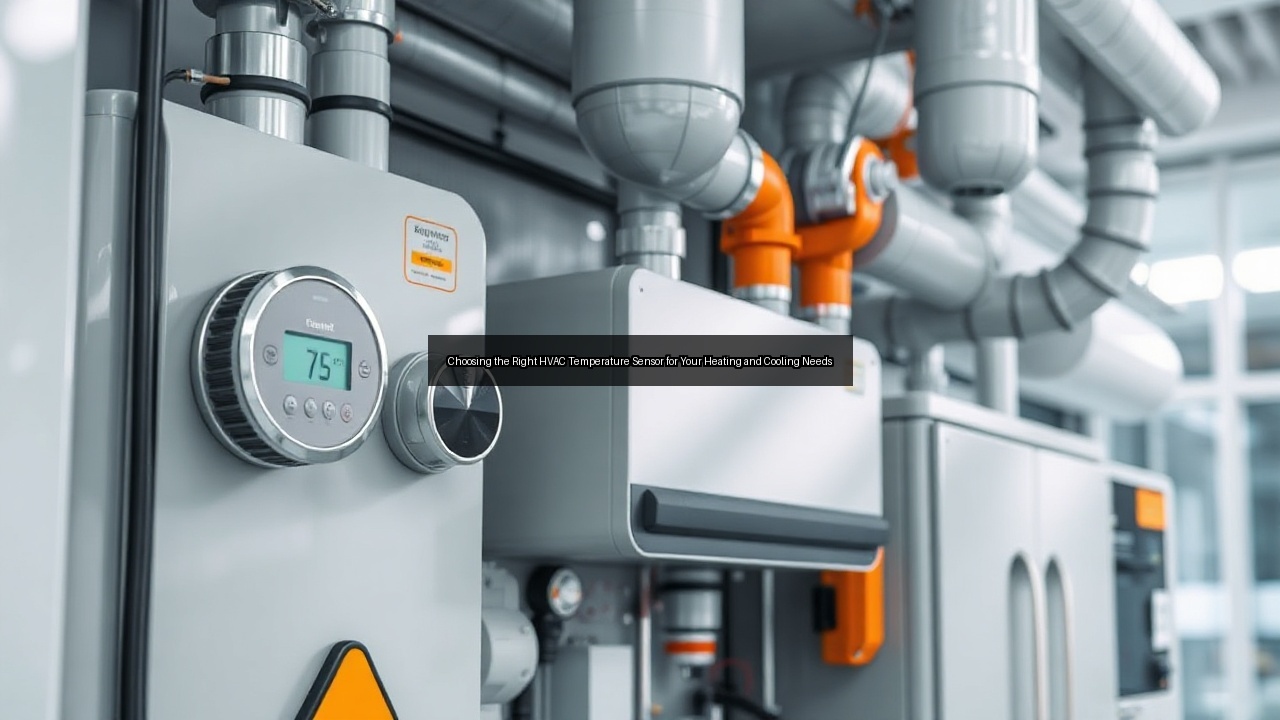
Understanding HVAC Temperature Sensors
What Are HVAC Temperature Sensors?
HVAC temperature sensors are essential components in heating, ventilation, and air conditioning (HVAC) systems. They measure the temperature of air or fluids within these systems to maintain optimal conditions for indoor environments. By providing accurate temperature readings, these sensors enable HVAC systems to adjust heating and cooling as needed, ensuring comfort and energy efficiency. The right HVAC temperature sensors can significantly enhance performance, reliability, and the lifespan of the entire system.
Types of HVAC Temperature Sensors
Several types of HVAC temperature sensors cater to various applications. Thermocouples are widely used due to their ability to withstand high temperatures and provide quick responses. They consist of two different metals joined together, generating a voltage that correlates to temperature differences. Thermistors, on the other hand, are temperature-sensitive resistors that offer high accuracy and rapid response times within a narrower temperature range. They are ideal for indoor applications where precise measurements are necessary. Resistance temperature detectors (RTDs) provide excellent accuracy and long-term stability, making them suitable for industrial and commercial HVAC applications. Each type serves its unique purpose, so selecting the right one depends on the specific requirements of your HVAC system.
How HVAC Temperature Sensors Work
HVAC temperature sensors work by detecting temperature changes and converting that information into an electrical signal. In thermocouples, the junction of two metals produces a voltage that varies with temperature. This voltage is then sent to a control system, which interprets the data to adjust the HVAC system accordingly. Thermistors operate through resistance changes; as temperature varies, so does the resistance, allowing for precise readings. Both types require proper calibration to ensure accuracy. Calibration, often performed to standards set by organizations like NIST (National Institute of Standards and Technology), guarantees that the readings remain reliable over time. Understanding how these sensors function facilitates better integration and management within HVAC systems.
Selecting the Right HVAC Temperature Sensor
Factors to Consider When Choosing Sensors
Choosing the right HVAC temperature sensor involves evaluating several factors that align with your specific heating and cooling needs. First, consider the temperature range and accuracy required for your application. For example, a data center may necessitate a sensor capable of functioning in lower temperatures with high precision, while standard residential applications might not require such stringent specifications. Additionally, assess the environmental conditions where the sensor will be installed. Sensors exposed to moisture or extreme temperatures should have appropriate protective features, such as thermowells, to enhance durability. Installation ease and compatibility with existing HVAC systems also play a crucial role, as integrating a new sensor should not disrupt overall functionality. Finally, budget considerations are important; while high-end sensors offer advanced features, ensure they align with the long-term benefits of your HVAC system.
Common Applications for HVAC Sensors
HVAC temperature sensors find applications in various settings, from residential to commercial and industrial environments. In residential buildings, sensors monitor indoor temperatures to ensure comfortable living conditions, often integrated with smart thermostats for enhanced climate control. In commercial spaces, HVAC sensors regulate temperature for energy efficiency while maintaining productivity, particularly in office environments where comfort directly impacts employee performance. Industrial facilities utilize sensors in HVAC systems to manage temperature-sensitive processes or equipment, such as in laboratories or manufacturing plants. Data centers heavily rely on precise temperature monitoring to protect sensitive electronic equipment from overheating, showcasing the critical role of HVAC temperature sensors in safeguarding valuable assets. Each application presents unique challenges, making the selection of appropriate sensors vital for optimal performance.
Calibration and Accuracy: Ensuring Optimal Performance
Calibrating HVAC temperature sensors is crucial for maintaining their accuracy and overall performance. Regular calibration ensures that sensors provide reliable readings, which directly impacts the hvac control efficiency of HVAC systems. Factors like wear and tear, environmental changes, and installation errors can affect sensor accuracy over time. Following NIST guidelines for calibration can help standardize the process, ensuring that readings align with established benchmarks. Moreover, implementing routine checks and maintenance can preemptively identify any discrepancies. Accurate temperature measurements enhance climate control, leading to reduced energy consumption and improved indoor air quality. Investing in high-quality sensors and committing to regular calibration can result in significant long-term savings and system efficiency.
Integrating HVAC Temperature Sensors with Building Automation
Enhancing Climate Control with Smart Thermostats
Smart thermostats revolutionize climate control in HVAC systems by integrating advanced HVAC temperature sensors. These devices allow for real-time monitoring and adjustments based on occupancy patterns and environmental conditions. By utilizing data from temperature sensors, smart thermostats can optimize heating and cooling schedules, ensuring energy efficiency while maintaining comfort. Users can access these systems remotely, providing the ability to adjust settings from anywhere. The combination of smart thermostats and temperature sensors creates a responsive HVAC system that adapts to changing needs, ultimately enhancing user experience and reducing energy costs. Proper integration of these technologies requires careful planning to ensure compatibility with existing HVAC systems and to maximize the benefits of automation.
The Role of Occupancy Sensors in HVAC Systems
Occupancy sensors play a significant role in modern HVAC systems, working in tandem with HVAC temperature sensors to optimize energy use. These sensors detect the presence or absence of individuals in a space, allowing HVAC systems to adjust heating and cooling based on occupancy levels. For example, if a room is unoccupied, the HVAC system can reduce energy consumption by lowering temperatures or turning off heating and cooling. When integrated with temperature sensors, occupancy sensors enable HVAC systems to respond dynamically to real-time conditions, improving overall efficiency. This integration not only enhances comfort but also contributes to significant energy savings, making it a wise investment for both residential and commercial applications.
Data Monitoring: Improving Indoor Air Quality
Data monitoring through HVAC temperature sensors plays a vital role in enhancing indoor air quality. By continuously measuring temperature and relaying this information to building automation systems, HVAC systems can adjust airflow and humidity levels. Maintaining optimal temperature and humidity contributes to better air quality, reducing the risks of mold growth and promoting a healthier environment. Advanced sensors can also monitor other factors, such as CO2 levels, further informing HVAC operations. This holistic approach to data monitoring allows for proactive management of indoor air quality, ensuring that spaces remain comfortable and safe for occupants. Investing in quality HVAC temperature sensors equipped with data monitoring capabilities positively impacts health and well-being.