Precision Machining for Engine Components in Commercial Aircraft
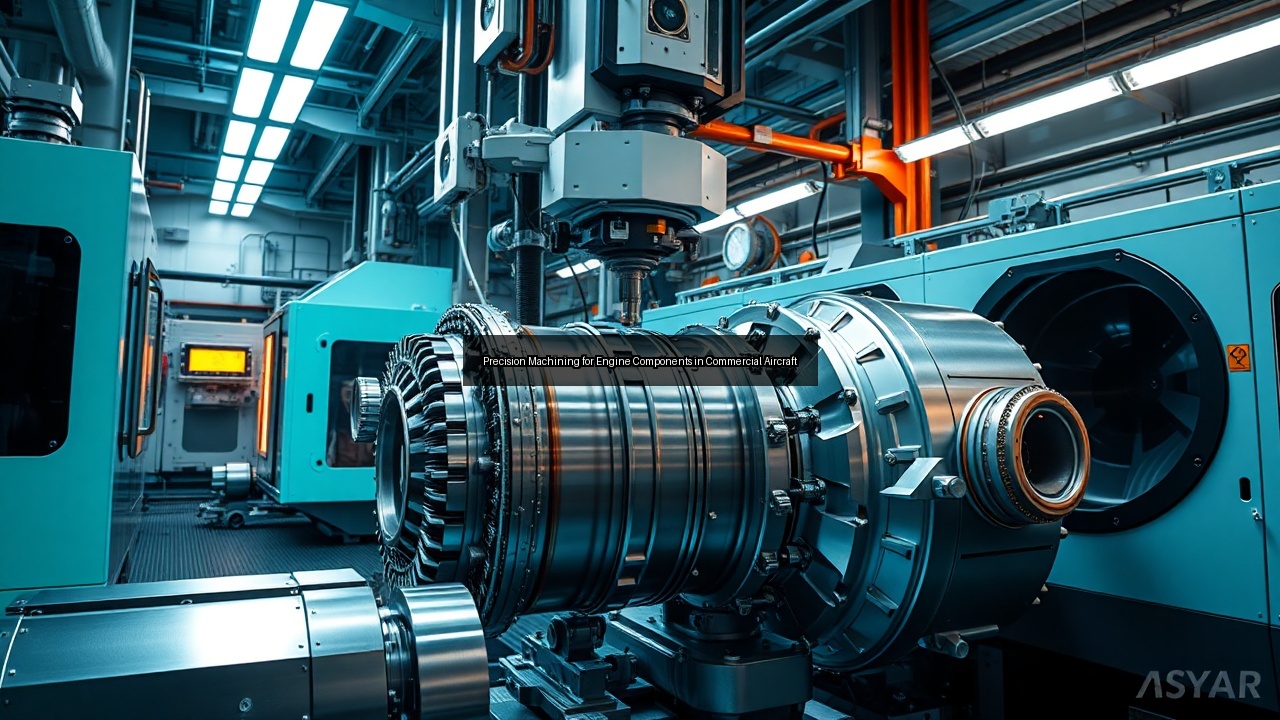
The Role of Precision Machining in Aerospace Manufacturing
Understanding Precision Machining for Engine Components
Precision machining plays a pivotal role in the production of engine components for commercial aircraft. This process involves the use of advanced machinery and techniques to create parts that meet stringent specifications and aerospace parts tolerances. The significance of precision machining lies in its ability to produce components that fit perfectly and perform reliably under extreme conditions. Machined parts must withstand high pressures, temperatures, and stress, making precision a critical aspect of aerospace manufacturing.
Engine components such as turbine blades, housings, and shafts are often made from high-performance metals that require sophisticated machining techniques. CNC (Computer Numerical Control) machining has revolutionized this field, allowing manufacturers to create complex geometries with high levels of accuracy. As a result, aerospace machining services have become essential for OEMs (Original Equipment Manufacturers) striving for efficiency and safety in their products.
Key Metals Used in Aerospace Machining: Aluminum, Titanium, and Inconel
The choice of materials in aerospace machining directly affects performance and durability. Aluminum, titanium, and Inconel are the most commonly used metals in manufacturing engine components. Aluminum offers a lightweight option that maintains strength and corrosion resistance, making it ideal for various aircraft structures. Titanium, while more expensive, provides exceptional strength-to-weight ratios and excels in high-temperature environments, critical for engine components.
Inconel, a nickel-chromium superalloy, is known for its remarkable performance in extreme environments, particularly in jet engines. It resists oxidation and maintains its mechanical properties at high temperatures, enabling it to perform effectively in the harsh conditions faced by commercial aircraft. Understanding the properties of these metals allows aerospace manufacturers to select the right material for each component, ensuring reliability and safety in flight.
The Importance of Tolerances in Aircraft Engine Design
Tolerances define the allowable variations aerospace cnc in dimensions and specifications of machined parts. In aircraft engine design, maintaining precise tolerances is critical. Even the smallest deviation can lead to catastrophic failures, impacting overall aircraft safety. Aerospace machining services must adhere to tight tolerances, often within thousandths of an inch, to ensure that each component fits and functions correctly within the engine assembly.
Quality control measures, such as CMM (Coordinate Measuring Machine) inspections, are integral to managing tolerances during the machining process. These inspections provide accurate measurements and help identify any deviations early in production. By enforcing strict tolerance requirements, manufacturers can ensure that every component contributes to the overall performance and safety of the aircraft, thus enhancing the reliability of flight operations.
Certification Standards and Quality Control in Aerospace Machining
AS 9100 Certification: Elevating Aerospace Manufacturing Standards
AS 9100 certification represents a significant milestone for aerospace manufacturers, establishing rigorous quality management standards specific to this industry. This certification ensures that companies follow consistent processes that meet customer and regulatory requirements. Obtaining AS 9100 certification not only enhances a company's credibility but also boosts its market competitiveness.
This certification encompasses various aspects of aerospace manufacturing, including design, production, installation, and service. Companies that maintain AS 9100 standards demonstrate their commitment to quality and continuous improvement, attracting more clients in the aerospace sector. Furthermore, this certification often acts as a prerequisite for participating in government contracts and collaborations with major aerospace OEMs, making it an essential aspect of the aerospace supply chain.
Implementing Quality Control Measures in CNC Machining
Implementing effective quality control measures is crucial in CNC machining for aerospace components. CNC machines, while highly accurate, still require regular calibration and maintenance to ensure they operate within specified tolerances. Quality control begins with selecting the right materials and extends through every stage of machining, assembly, and testing.
Navigating ITAR Regulations in Aerospace Machining Services
International Traffic in Arms Regulations (ITAR) impose strict controls on the export and import of defense-related articles and services. Aerospace machining services that work on components for military aircraft must navigate these regulations carefully. Compliance with ITAR is essential for companies involved in machining components that have military applications or are used in dual-use technologies.
Managing the Global Supply Chain for Aerospace Components
The Impact of Outsourcing on Aerospace Manufacturing
Outsourcing plays a significant role in the aerospace manufacturing landscape, allowing companies to capitalize on specialized skills and cost efficiencies. Many OEMs choose to outsource specific machining processes to specialized aerospace machining services to streamline production and reduce overhead costs. This strategy enables manufacturers to focus on core competencies while leveraging the expertise of external suppliers.
Risk Management Strategies in the Aerospace Supply Chain
Effective risk management strategies are essential in managing the complexities of the aerospace supply chain. Manufacturers must identify potential risks, including supplier failures, geopolitical issues, and fluctuations in material costs. Diversification of suppliers and maintaining a buffer stock of critical components are strategies that can minimize supply chain disruptions.
Role of Suppliers in Maintaining Quality Standards
Suppliers play a crucial role in upholding quality standards in aerospace manufacturing. Their ability to deliver high-quality materials and components directly impacts the final product's reliability and safety. Effective communication and collaboration between manufacturers and suppliers are vital for achieving these standards.
Innovations and Future Trends in Aerospace Machining
Advancements in CNC Machining Technology
CNC machining technology continues to evolve, introducing innovative solutions that enhance efficiency and precision in aerospace manufacturing. Recent advancements include multi-axis machining, allowing for the production of complex geometries aerospace cnc in a single setup. This capability reduces production time and minimizes errors, resulting in higher quality components.
The Role of Coatings in Enhancing Engine Component Performance
Coatings play an essential role in aerospace machining by enhancing the performance and durability of engine components. Specialized coatings provide protection against wear, corrosion, and high temperatures, factors that significantly impact engine efficiency and longevity. Applying advanced coatings such as thermal barrier coatings and anti-corrosive layers ensures that machined parts can withstand the challenging conditions of flight.
Leadership and Ingenuity in Aerospace Design and Manufacturing
Leadership and ingenuity significantly influence the direction of aerospace manufacturing. Forward-thinking companies that embrace innovation and prioritize quality will lead the industry into the future. These organizations foster a culture of creativity, encouraging their teams to explore new ideas and approaches to machining and design.
See Also
- Experience Matters How to Choose the Right Aerospace Machining Supplier
- The Future of Aerospace Manufacturing Driven by CNC Machining Technology
- How AS 9100 Standards Enhance Supply Chain Management in Aerospace
- Crafting Flight Readiness through Advanced AS 9100 Machining Techniques
- A Guide to Outsourcing AS 9100 Machining Services in the Aerospace Sector